9 Cute Baby Lovey Blanket Patterns: Free Beginner Guide
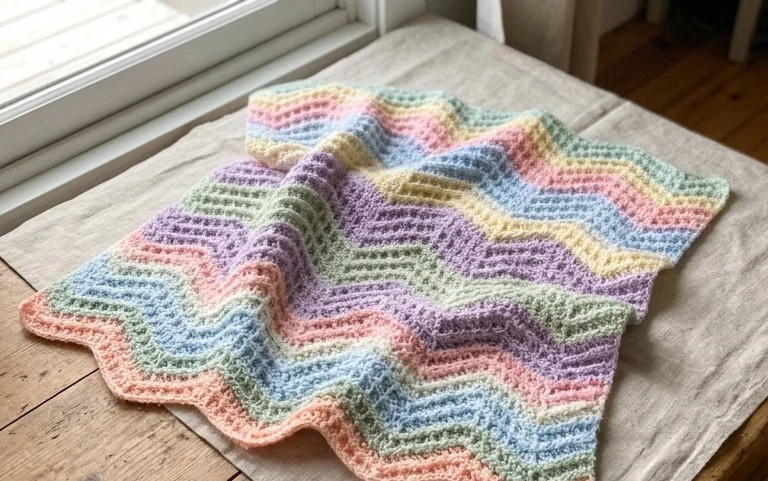
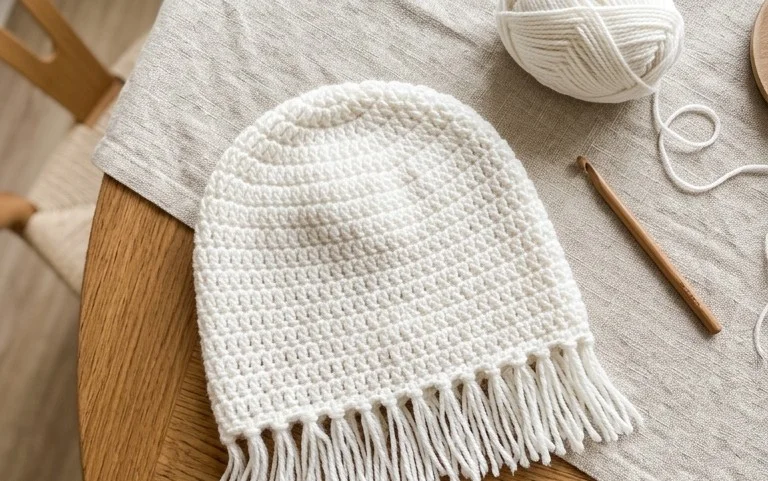
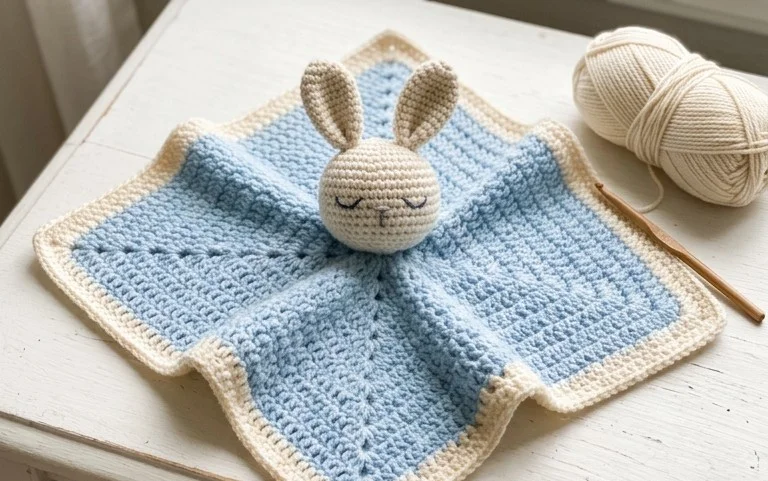
Soft cotton squares topped with a stuffed animal friend feel like a warm hug for a tiny baby. These small comfort blankets provide just enough fabric for little fingers to grasp while the plush head offers a soft surface for naptime snuggles. Making these items remains a satisfying way to use up leftover yarn scraps from larger blanket projects. You will find that mastering basic increases and single crochet rounds allows you to finish one of these projects in a single afternoon. Whether you are prepping for a baby shower or refreshing your nursery, these patterns provide a meditative process and a thoughtful gift for any new parent.
Why This Project Is Worth Making
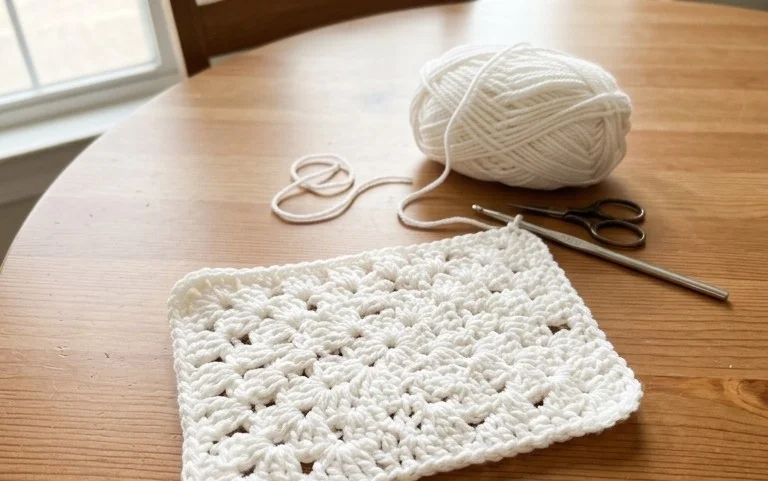
This classic crochet dishcloth is designed to provide a firm, scrubby texture that stands up to daily kitchen use. The combination of cotton yarn and a dense stitch pattern creates a fabric that holds soapy water well and cleans stubborn spots on dinnerware without scratching surfaces. Because it relies on basic stitches, you can finish one in a single evening while watching a show or sitting on the porch. It also serves as an ideal project for practicing even tension, as the square shape requires consistent stitch placement to maintain straight edges.
I managed to whip up three of these in a weekend to give as gifts for a bridal shower. The texture is perfect for scrubbing, and they hold their shape beautifully after several trips through the laundry.
— Sarah, home crafter
Pattern Overview & Skill Level
- Skill Level: Beginner
- Approximate Time: 45–60 minutes per cloth
- Construction: Worked in rows from the bottom up, finishing with a simple border
- Finished Dimensions: 8 inches by 8 inches
Materials & Supplies Needed
- Yarn: Worsted weight (#4) 100% cotton yarn, approximately 60 yards per cloth. Cotton is essential for heat resistance and absorbency.
- Hook Size: 5.0 mm (H-8)
- Notions: Tapestry needle for weaving in ends, scissors.
- Yarn Substitutions: You can use a cotton-acrylic blend, though it will be less absorbent than pure cotton. Avoid wool, as it will felt when washed in hot water.
Stitch Guide & Abbreviations (US Terms)
- ch: chain
- sc: single crochet
- dc: double crochet
- st/sts: stitch/stitches
- sl st: slip stitch
- sk: skip
- Special Stitch: The moss stitch is created by alternating single crochet stitches with chain spaces, working the single crochet into the chain space of the previous row.
Step-by-Step Pattern Instructions
Main Body
- Row 1: Ch 31. Sc in the 2nd ch from hook and each ch across. Turn. (30 sts)
- Row 2: Ch 2 (counts as dc), sk first st, dc in each st across. Turn. (30 sts)
- Row 3: Ch 1, sc in each st across. Turn. (30 sts)
- Row 4 – 28: Repeat Rows 2 and 3 until the piece measures 7.5 inches long.
Border & Finishing
- Round 1: Ch 1, turn. Sc evenly around the entire perimeter of the square, placing 3 sc in each corner to ensure the fabric lies flat.
- Join: Sl st to the first sc of the round.
- Fasten off: Cut the yarn leaving a 6-inch tail. Weave the ends into the back of the work using a tapestry needle to ensure they do not come loose during heavy scrubbing.
Care & Washing Instructions
- Machine wash in warm water on a gentle cycle to remove oils and food residue.
- Tumble dry on low heat or lay flat on a drying rack to prevent shrinkage.
- Reshape the cloth while damp if it loses its square form during the drying process.
Pro Tips & Common Mistakes to Avoid
Maintain consistent tension throughout the project by holding your yarn with a steady grip. If your stitches are too tight, the cloth will be stiff and difficult to use; if they are too loose, the cloth will lose its scrubbing power. Use a stitch marker on the first stitch of every row to ensure you do not accidentally drop or add a stitch at the edges, which would result in a trapezoid shape rather than a square. Weave your ends in multiple directions—back and forth at least three times—to lock the yarn in place against the friction of scrubbing. To adjust the size, simply increase or decrease your starting chain by multiples of two; remember that this will change the total amount of yarn required to complete the project.
Frequently Asked Questions
Can I use a larger hook for this pattern?
Using a larger hook will result in a looser, more open fabric. While this works up faster, it reduces the scrubbing efficacy of the dishcloth and may cause it to stretch out of shape quickly.
Is this pattern suitable for someone who has never crocheted before?
Yes, this project only requires knowledge of single crochet and double crochet stitches. It is a manageable way to learn how to keep edges straight and maintain even row counts.
Can I sell the dishcloths I make from this pattern?
You are welcome to sell finished items made from this pattern, provided you credit the design. Please do not redistribute the pattern text itself as your own work.
Why should I avoid using synthetic yarn for dishcloths?
Synthetic fibers like acrylic do not absorb water well and can melt if they come into contact with a hot pan or baking sheet. Always use natural cotton to ensure the item is safe and functional for kitchen use.
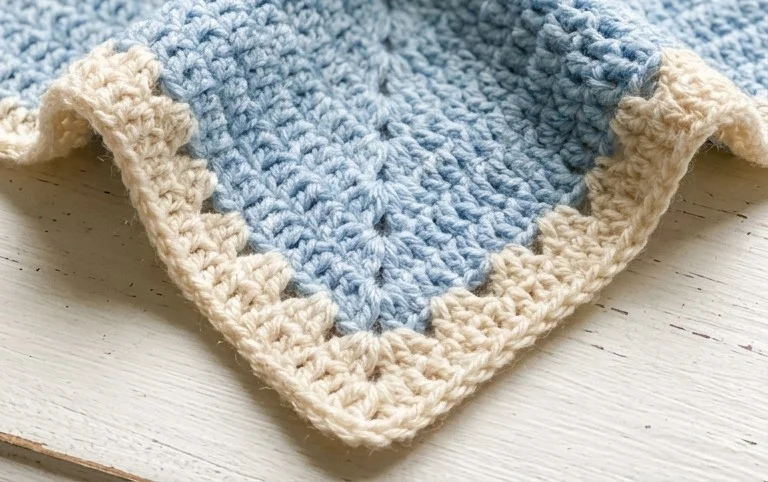
These completed loveys offer a cozy, tactile experience that babies love during their first year of life. You can change the final look by using a velvet chenille yarn for extra softness or swapping the animal head for a simple knotted corner. Seeing your handmade work in action is rewarding, so consider tagging your photos online so others can see your color choices. Browse through the other free patterns on the blog to find your next weekend project and continue building your stash of handmade items for the nursery.