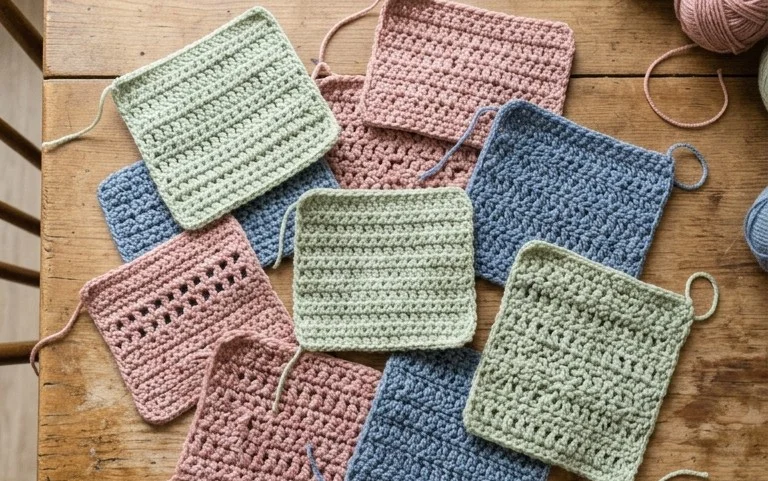
5 Simple Crochet Stitches: Free Beginner Pattern Guide
Dense, squishy fabric makes these dishcloths feel substantial in your palm while the raised grid captures food particles better than any flat store-bought cloth. These squares suit beginners practicing their tension because the repetitive counting helps build muscle memory quickly. Making your own cleaning tools brings a sense of quiet accomplishment to a mundane chore, and using durable cotton ensures they withstand daily boiling water or heavy scrubbing. We will look at five foundational techniques to create this texture, focusing on how to manipulate your hook to build height and grip. You will gain confidence with each row, transforming simple yarn into a durable household essential that lasts for years.
Why You’ll Love This Pattern
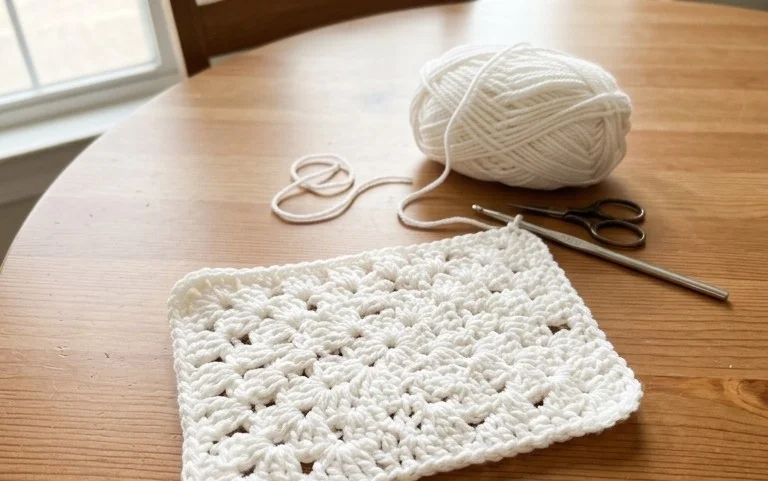
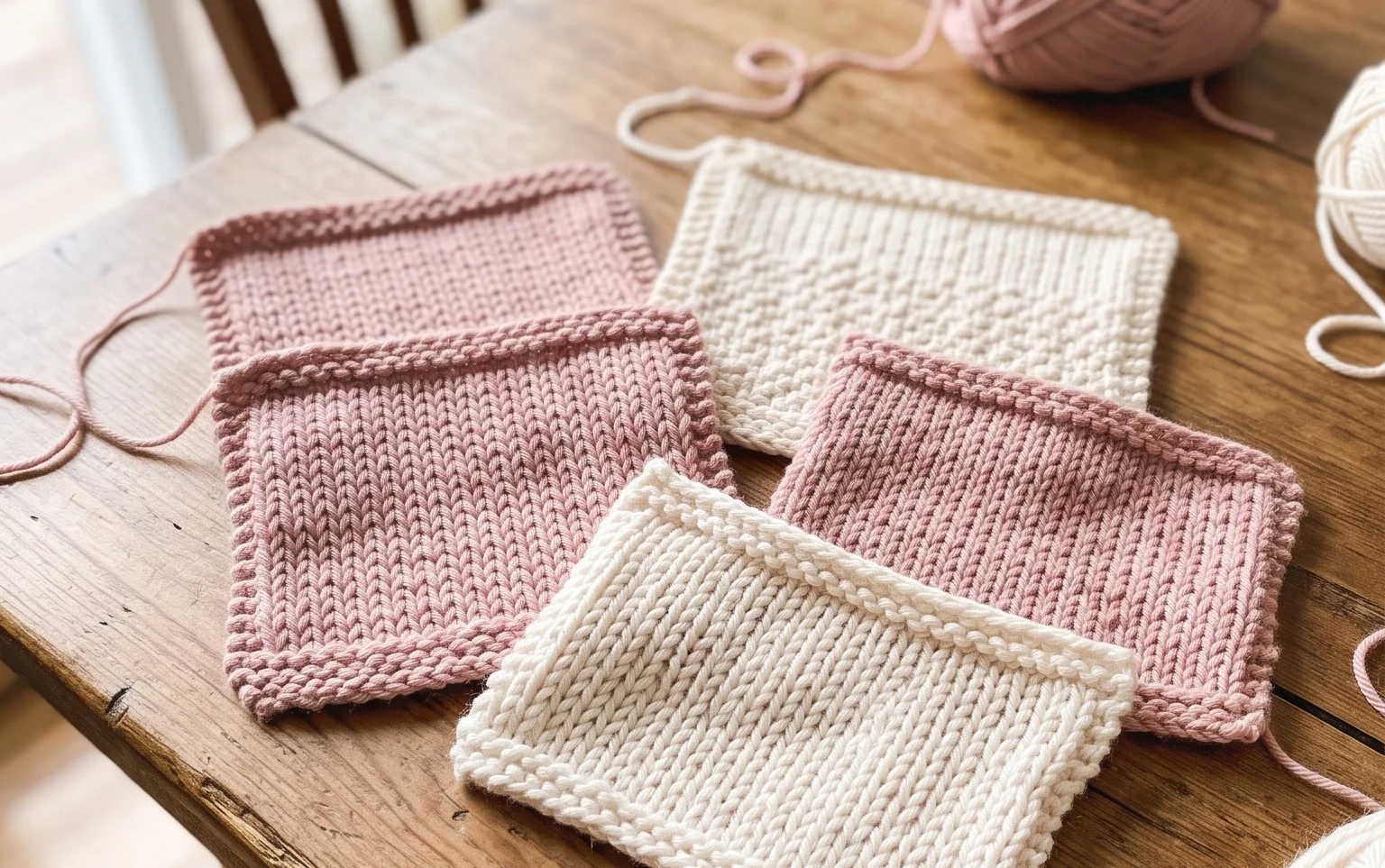
This classic crochet dishcloth is designed using the waffle stitch, which creates deep, textured pockets perfect for scrubbing away stubborn stuck-on food from your pots and pans. Because this pattern relies on a simple two-row repeat, it is easy to memorize while watching television or listening to a podcast. You can complete a full cloth in about two hours, making it an ideal project for using up small amounts of leftover cotton yarn. The final result is a sturdy, absorbent square that holds its shape well even after many trips through the laundry.
I started making these as holiday gifts and ended up keeping a stack for my own kitchen. The texture is much more effective than the thin store-bought sponges I used to buy.
— Sarah, home cook
Pattern Overview & Skill Level
- Skill Level: Advanced Beginner
- Approximate Time: 1.5 to 2 hours
- Construction: Worked in rows from the bottom up, utilizing front post double crochet stitches to create the waffle-like texture.
- Finished Dimensions: Approximately 8 inches by 8 inches.
Materials & Supplies Needed
- Yarn: Worsted weight (#4) 100% cotton yarn. You will need approximately 75 yards per dishcloth. Cotton is necessary for its absorbency and heat resistance.
- Hook Size: 5.0 mm (H-8).
- Notions: Tapestry needle for weaving in ends and scissors.
- Yarn Substitutions: You may use a cotton-acrylic blend if you prefer a softer feel, though 100% cotton remains the most absorbent choice for kitchen tasks. Using a lighter weight yarn will result in a smaller, thinner cloth, while a heavier yarn will produce a thicker, bulkier item.
Stitch Guide & Abbreviations (US Terms)
- ch: chain
- dc: double crochet
- FPdc: front post double crochet (yarn over, insert hook from front to back to front around the post of the stitch below, pull up a loop, yarn over, pull through two loops, yarn over, pull through remaining two loops)
- st(s): stitch(es)
- yo: yarn over
Step-by-Step Pattern Instructions
Dishcloth Body
- Foundation: Chain 32.
- Row 1: Dc in the 4th ch from the hook and each ch across. (30 sts)
- Row 2: Ch 2, turn. *FPdc around the next dc, dc in the next 2 sts. Repeat from * across until 2 sts remain. FPdc around the next dc, dc in the last st. (30 sts)
- Row 3: Ch 2, turn. *Dc in the first st, FPdc around each of the next 2 sts. Repeat from * across until 2 sts remain. Dc in the last 2 sts. (30 sts)
- Repeat: Repeat Rows 2 and 3 until the piece measures 8 inches long, ending on a Row 3 repeat.
- Finishing: Fasten off, leaving a 6-inch tail. Use a tapestry needle to weave the end securely into the back of the work.
Care & Washing Instructions
- Machine wash in warm water on a gentle cycle to preserve the stitch definition.
- Lay flat on a clean towel to dry to prevent the cotton from stretching out of shape.
- Reshape the dishcloth while damp if the edges begin to curl after washing.
Pro Tips & Common Mistakes to Avoid
Maintain consistent tension throughout the project, as the waffle stitch can become tight if you pull your yarn too firmly during the FPdc stitches. Always place a stitch marker in the first stitch of each row to help you identify where to work the final stitch of the return row, which often hides slightly. Weave your ends in by passing the needle through the center of the stitches rather than across the surface, which keeps the yarn hidden from view. If you decide to adjust the size, ensure your starting chain is a multiple of 3 plus 2 to keep the repeat pattern aligned.
Frequently Asked Questions
Can I use a different yarn fiber for this project?
It is best to stick with 100% cotton. Acrylic yarn does not absorb water effectively and synthetic fibers can melt if they come into contact with hot cookware or surfaces.
How do I make the dishcloth larger?
To increase the size, add more stitches to your foundation chain in multiples of 3. Keep in mind that a larger cloth will require more than the suggested 75 yards of yarn.
Is this pattern suitable for someone who has only done single crochet?
This is a great step up for a beginner. The FPdc stitch is a simple technique, and practicing it on a small project like a dishcloth allows you to get comfortable with post stitches without the pressure of a garment.
May I sell the dishcloths I make from this pattern?
You are welcome to sell items you create using this design. I appreciate credit being given to the designer when listing your finished goods for sale.
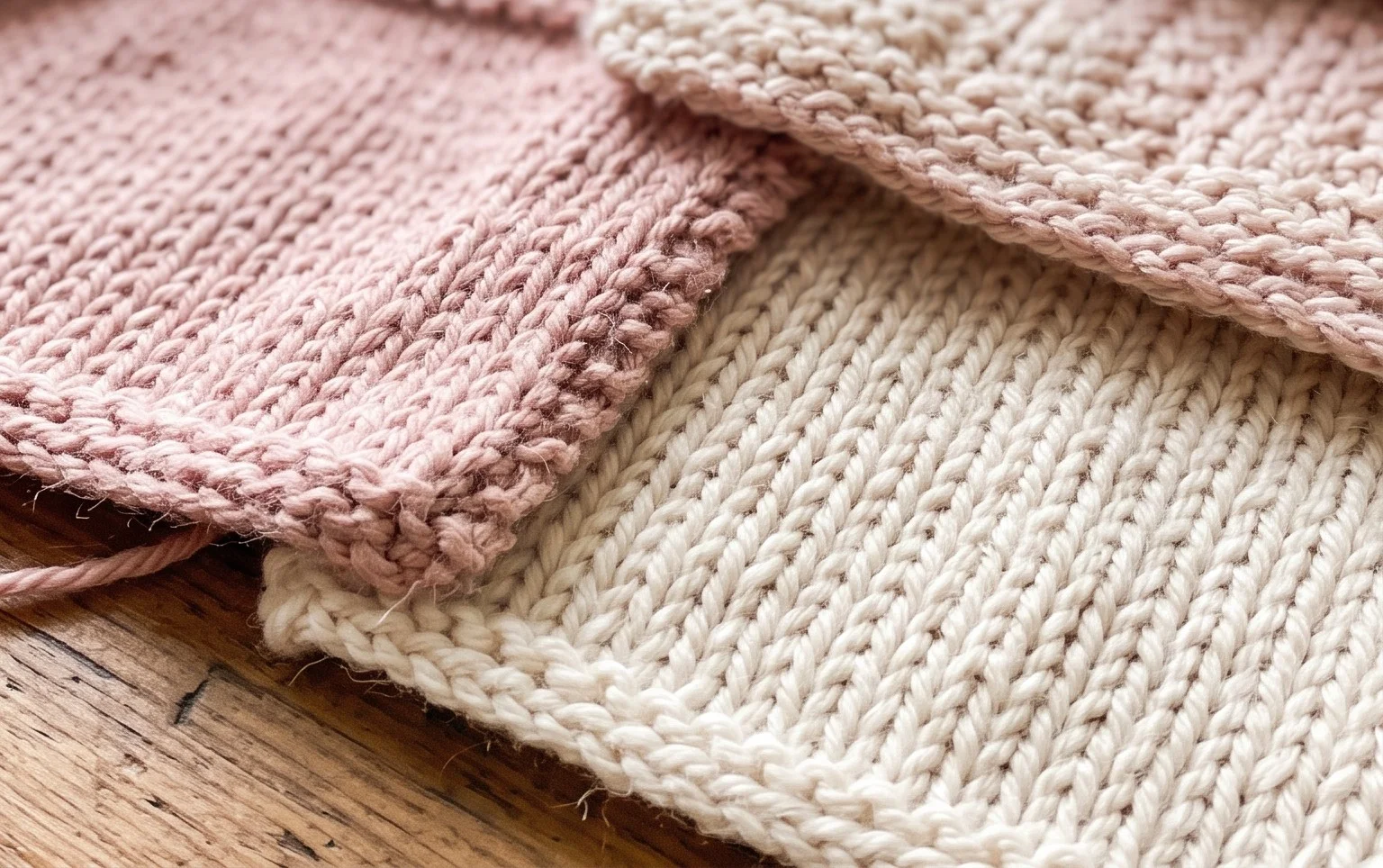
Your finished dishcloth gains a distinct character after the first wash, softening up while maintaining its scrubbing power for your kitchen countertops. Consider working your next project in a variegated yarn to highlight the peaks of the stitch pattern or increase your starting chain to create a larger drying mat for heavy cast iron pans. Sharing a photo of your work helps others find inspiration for their own yarn stash projects. Browse the rest of the blog for more patterns that use basic supplies to build your home library of handmade items.